Structural biology of ubiquitin and genome maintenance
Sixma Group
Netherlands Cancer Institute (NKI)Welcome to our lab
Sixma Group — NKI
We study how ubiquitin signalling and chromatin regulation coordinate DNA repair, using structural and quantitative approaches to map mechanism to function.

Principal investigator
Prof. Titia K. Sixma
Group Leader, Structural Biology
Leader of a structural biology group at the Netherlands Cancer Institute. Interests include ubiquitin conjugation, deubiquitinating enzymes and chromatin regulation of DNA repair.
View profile →Programmes
Four focal programmes
01
Ubiquitin conjugation and deubiquitinating enzymes: decoding activity and specificity
How do DUBs and ubiquitin ligases recognise specific substrates and chain architectures, and how does that determine DNA repair outcomes?
02
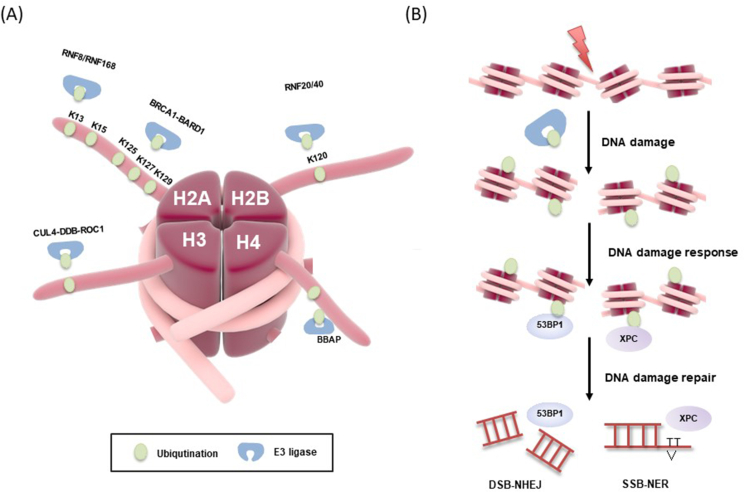
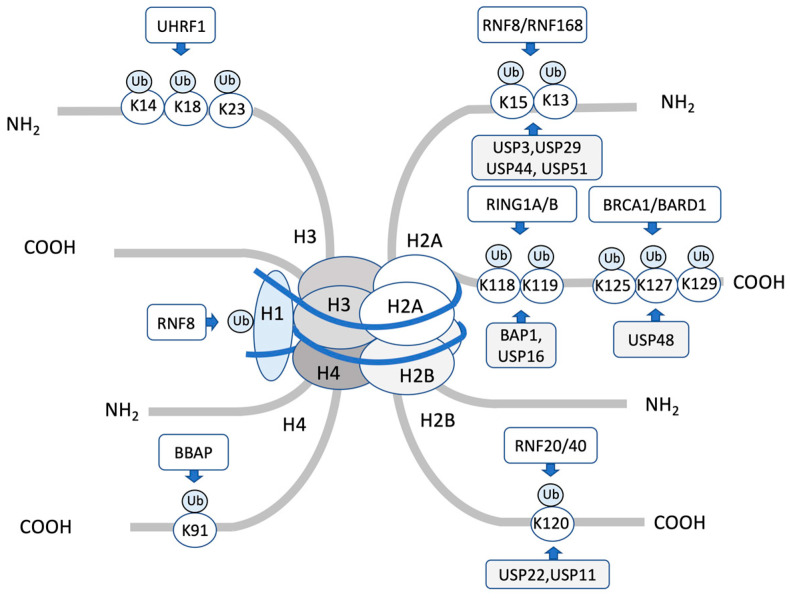
Chromatin regulation of the DNA damage response
How does histone ubiquitination and deubiquitination change chromatin to permit repair factor access?
03
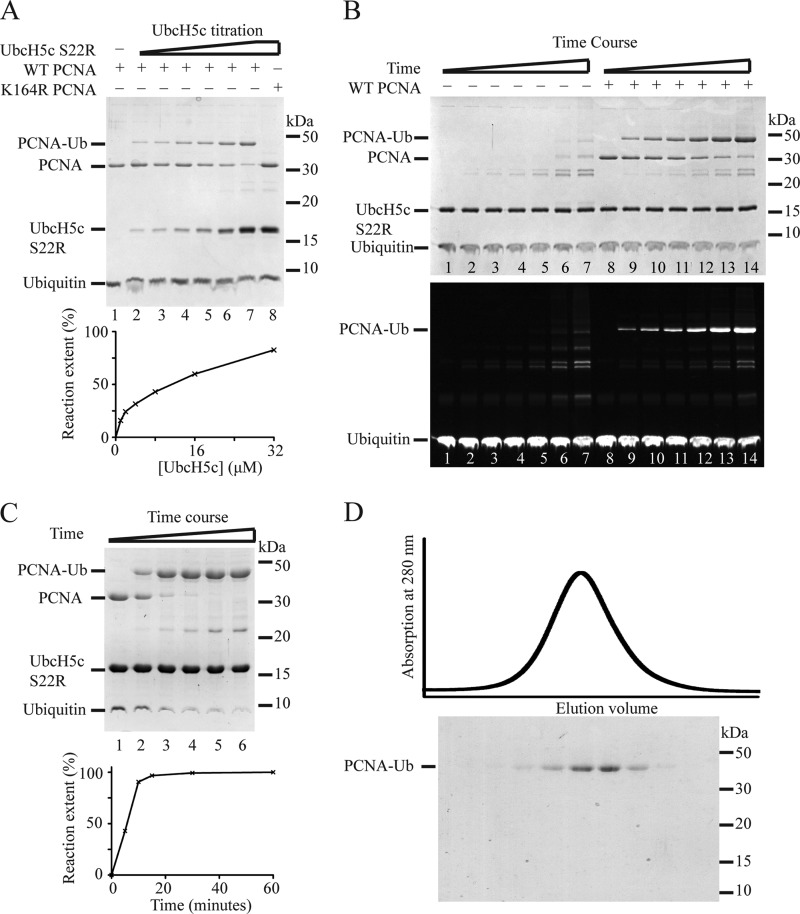
PCNA ubiquitination and replication‑associated repair
How is PCNA ubiquitylation regulated and reversed to control lesion bypass and restart?
04
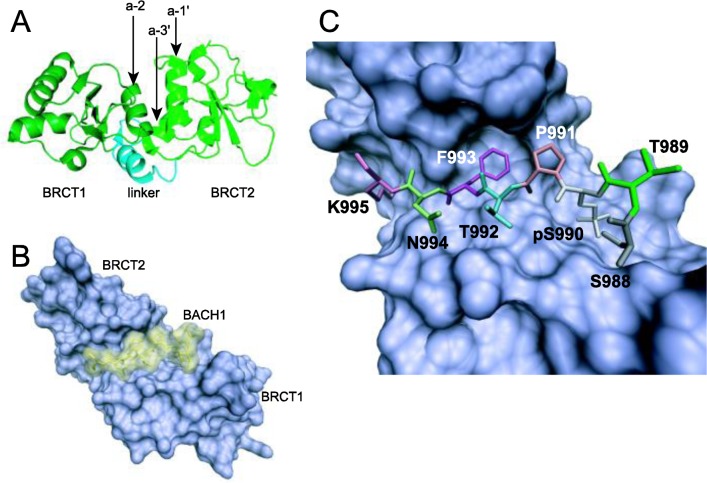
BRCA1 interactions and the architecture of repair assemblies
Which BRCA1 interfaces are essential for partner recruitment and homologous recombination competence?
Selected publications
Recent and defining work
2025↗2025↗2017↗2015↗2022↗
Profiling BRCA1‑BRCT interactions and their functional relevance at amino acid resolution
Nucleic Acids Research
USP1/UAF1 targets polyubiquitinated PCNA with an exo‑cleavage mechanism that can temporarily enrich for monoubiquitinated PCNA
Nature Communications
Histone ubiquitination in the DNA damage response
DNA Repair
Fine‑tuning the ubiquitin code at DNA double‑strand breaks: deubiquitinating enzymes at work
Frontiers / Reviews / PMC
USP1‑trapping lesions as a source of DNA replication stress and genomic instability
Nature Communications
Join the group