Ubiquitin conjugation and deubiquitinating enzymes: decoding activity and specificity
How do DUBs and ubiquitin ligases recognise specific substrates and chain architectures, and how does that determine DNA repair outcomes?
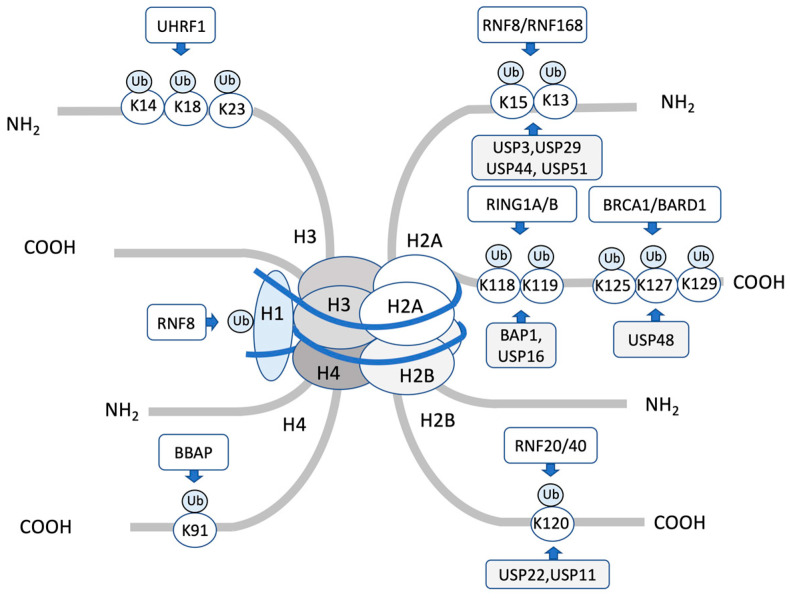
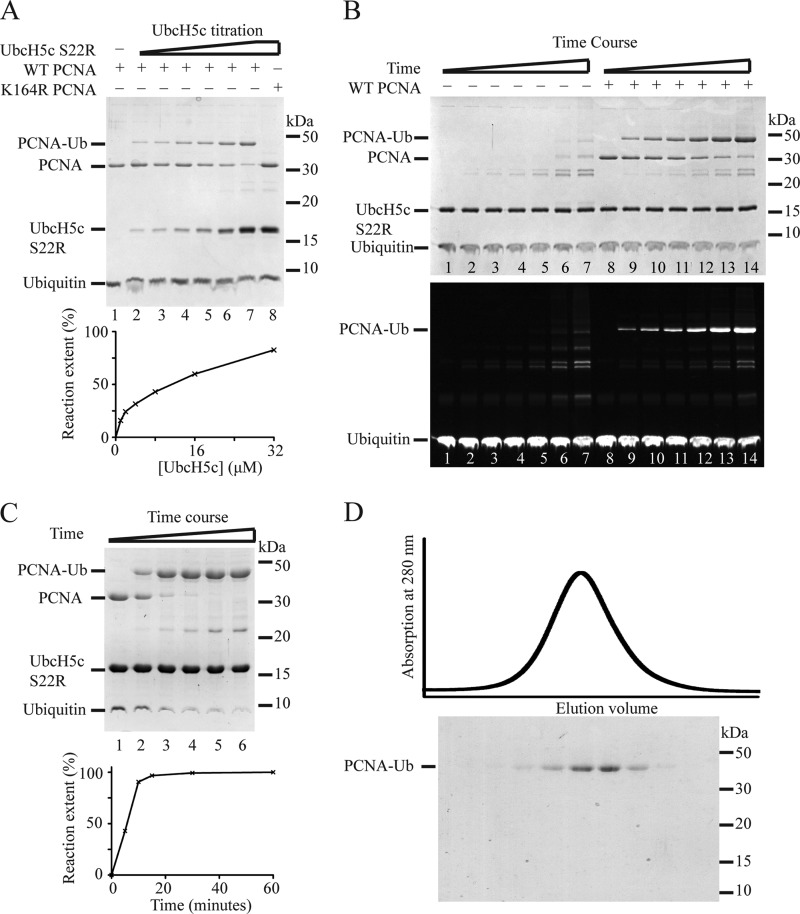
Ubiquitin modifications come in many chain types and architectures; the same modification can signal different outcomes depending on context. We determine structures of DUBs bound to defined ubiquitin conjugates and measure cleavage kinetics to understand how enzymes discriminate between polyubiquitin and monoubiquitin adducts. This mechanistic view reveals how DUBs can be regulated allosterically and by binding partners.
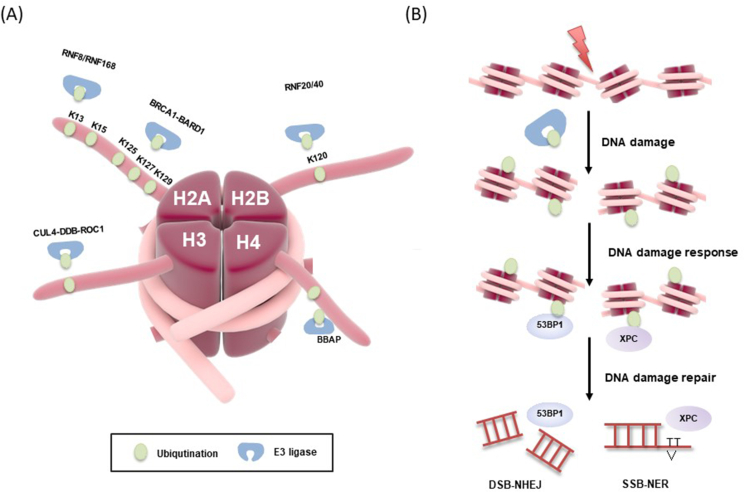
Beyond in vitro enzymology, we integrate quantitative assays in cells to map how DUB activity changes at sites of replication stress and DNA damage. These data allow us to connect biochemical mechanism to functional consequences for genome stability and to explore how DUBs become candidate targets for therapeutic modulation.